Type to search pests or houses...
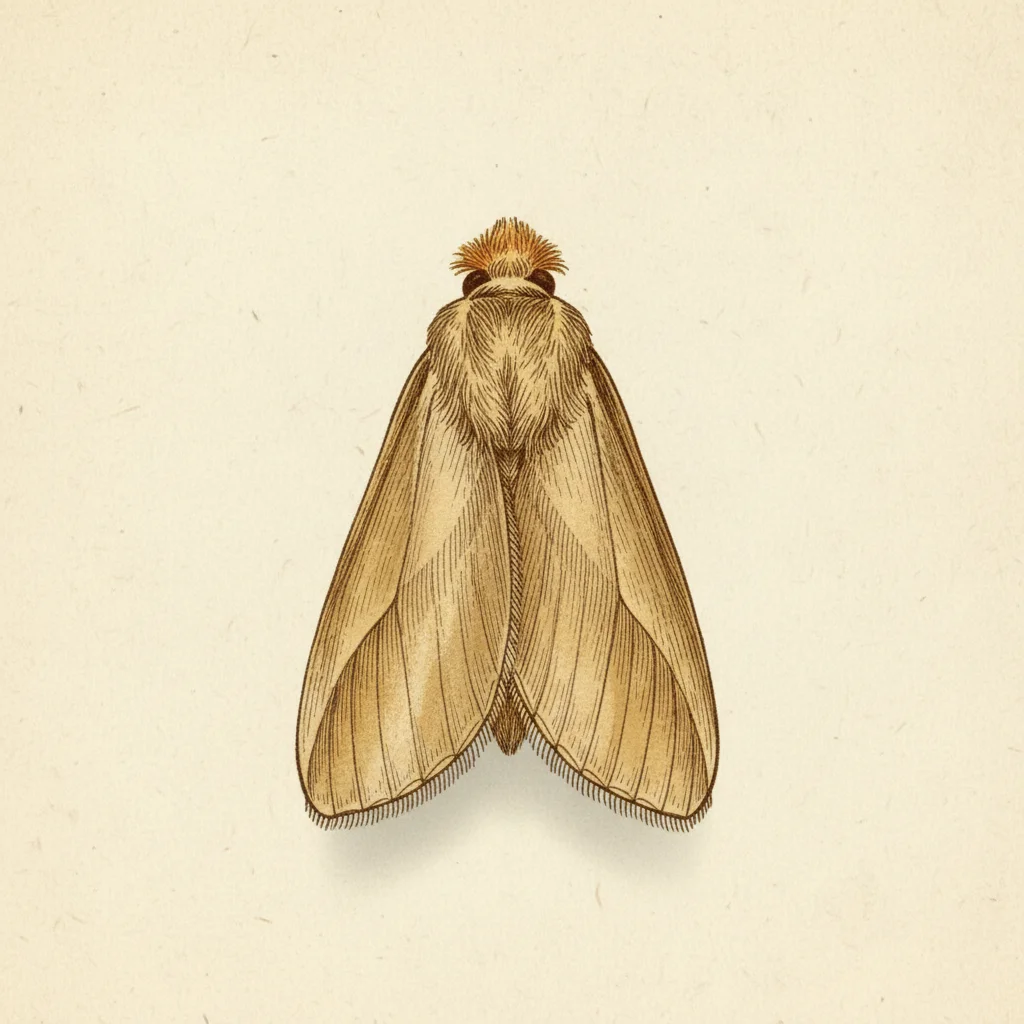
Plodia interpunctella
Females lay 100-400 eggs directly on or near food sources. Eggs hatch in 2-14 days. Larvae feed for 2-10 weeks depending on temperature, going through 5-7 molts. Pupation occurs in cocoons attached to surfaces or within food. Adults emerge in 4-30 days and live 1-2 weeks. Complete lifecycle takes 4-6 weeks at room temperature. Can produce 5-6 generations per year indoors.
Larvae feed on a wide variety of stored products: cereals, grains, flour, pasta, rice, dried fruit, nuts, seeds, spices, pet food, birdseed, chocolate, candy, and dried flowers. Can chew through cardboard, paper, and thin plastic packaging. Adults do not feed.
Larvae develop entirely within food products, creating silken webbing and leaving behind frass (excrement) and cast skins. Pupation often occurs away from food in cracks, crevices, or behind pantry shelving. Prefer dark, undisturbed storage areas. Thrive in temperatures of 70-95°F (21-35°C).
Adult moths seen flying around kitchen lights, especially at night. They have a distinctive zig-zag flight pattern and are attracted to light sources.
Fine white or grayish webbing throughout cereals, flour, grains, or other stored foods. The webbing clumps food particles together.
Cream-colored larvae (up to 12mm long) with brown heads crawling on pantry shelves, walls, or ceilings, often near infested food.
Small white or tan cocoons attached to ceiling corners, shelf edges, or inside packaging. Pupae may be visible inside.
Food products with clumped material, small holes in packaging, or visible larvae and cast skins mixed throughout.
Heavily infested foods develop a characteristic unpleasant smell from frass and larval secretions.
Found throughout Canada wherever food is stored. Most common in heated homes and buildings year-round. Extremely common in Ontario, Quebec, and British Columbia. Can survive and reproduce continuously in climate-controlled indoor environments.
Active year-round indoors in heated environments. Outdoor populations peak in summer but indoor infestations occur in any season. More noticeable in fall/winter when adults are spotted flying near lights.
Successful control requires a multi-step approach. First, locate and dispose of all infested food products - even unopened packages near the source. Thoroughly vacuum all pantry shelves, cracks, and crevices. Wash shelves with hot soapy water. Professional treatment may include pheromone traps to monitor populations and targeted applications in non-food areas. Proper sanitation and storage practices are essential for long-term prevention. Follow-up monitoring ensures complete elimination.
Get General Pest Control Service