Type to search pests or houses...
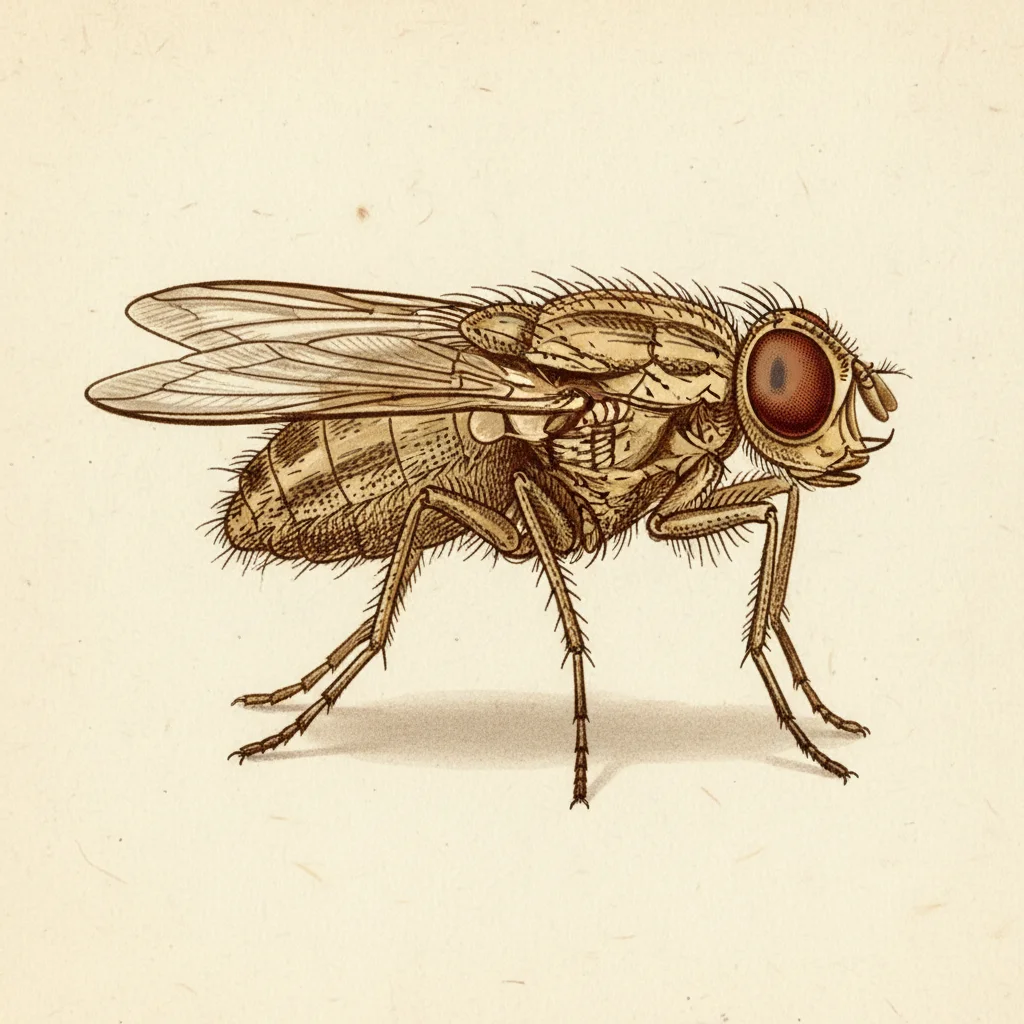
Pollenia rudis
Females lay eggs in soil near earthworm burrows. Larvae are internal parasites of earthworms, feeding until pupation. There are typically 4 generations per year, with the final generation seeking overwintering sites.
Adults feed on flower nectar and plant sap. They do not feed on garbage, feces, or decaying matter like house flies. Larvae feed exclusively on earthworms.
Do not breed indoors. They enter structures in late summer/fall to overwinter in wall voids, attics, and behind siding. Attracted to south and west-facing walls that absorb heat. They cluster together for warmth, sometimes numbering in the thousands.
Clusters of slow-moving flies on warm, sunny windows in winter or early spring. They often appear disoriented and lethargic.
Masses of flies gathering on south or west-facing walls in autumn, seeking entry points to overwinter.
Finding hundreds or thousands of flies (dead or alive) in attic spaces, wall voids, or around window frames.
Large cluster fly populations produce a distinctive sweet smell when disturbed or crushed.
Common throughout southern Canada, particularly in rural and suburban areas with earthworm populations. More problematic for homes near open fields and lawns.
Adults seek overwintering sites in late August through October. They emerge sluggishly on warm winter days and in early spring before leaving to lay eggs outdoors.
Prevention is key - exterior treatments in late summer create a barrier before flies seek entry. For existing infestations, treatment of attic and wall void areas combined with exclusion work provides control. Unlike house flies, sanitation is not a factor.
Get General Pest Control Service