Insight Pest Solutions Canada Logo

House Centipede

Scutigera coleoptrata

Size2535 mm
Active Season:Active year-round indoors. More visible during humid summer months and when seeking indoor shelter in fall. Nocturnal - most often seen at night.

A fast-moving, long-legged predator that hunts other household pests. Despite its alarming appearance, it is a beneficial insect that rarely bites humans. Its presence often indicates other pest populations nearby.

Anatomy

Anatomical Details

Identification

ColourYellowish-grey body with three dark longitudinal stripes; legs are banded with dark and light rings
Size2535 mm

Distinguishing Features

  • 15 pairs of extremely long, thread-like legs (appears to have more due to leg length)
  • Last pair of legs in females can be twice the body length
  • Large compound eyes unusual for centipedes
  • Three dark stripes running down the back
  • Capable of running up to 40 cm per second

Biology

Lifecycle

Long-lived predators surviving 3-7 years. Larvae hatch with only 4 pairs of legs and gain additional segments with each molt (anamorphosis) until reaching 15 pairs as adults.

Diet

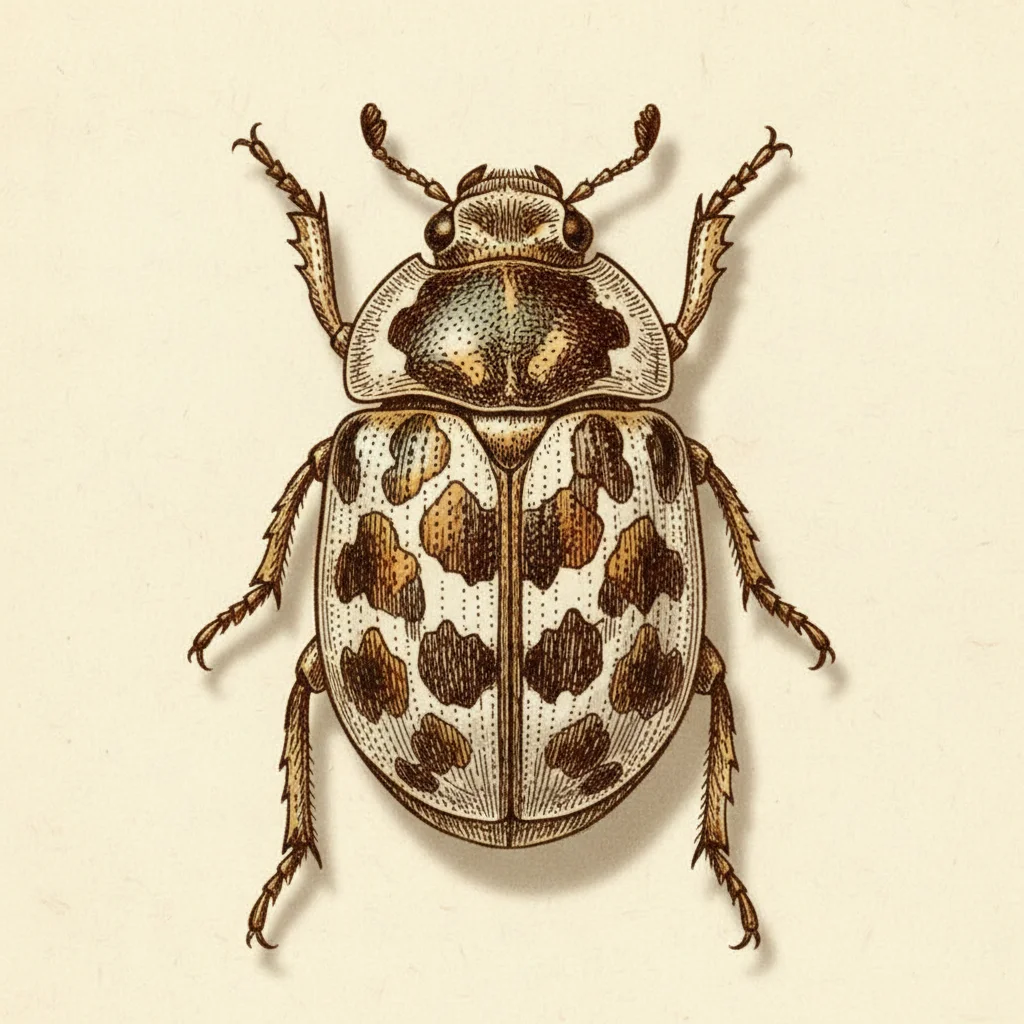
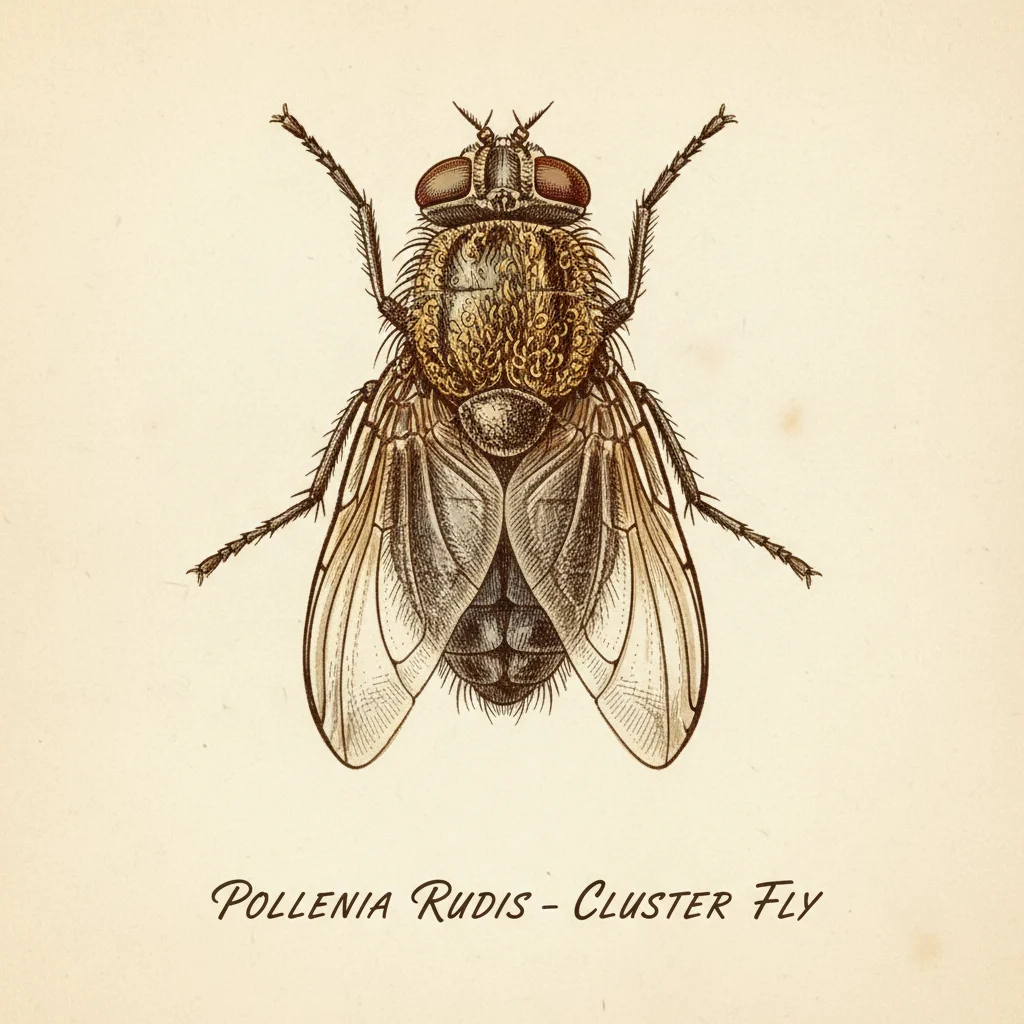
Active nocturnal hunters that prey on spiders, bed bugs, silverfish, carpet beetle larvae, cockroaches, and other small arthropods. They use their speed and venomous forcipules to capture prey.

Nesting

Require high humidity to survive. Found in damp basements, bathrooms, crawlspaces, and under sinks. Unlike garden centipedes, they are adapted for hunting on vertical surfaces and can climb walls easily.

Signs of Infestation

Sightings of fast-moving centipedes

Typically seen at night, running across floors or walls at high speed. Their distinctive long legs make them unmistakable.

Presence in humid areas

Finding them regularly in bathrooms, basements, or near floor drains indicates both humidity issues and prey availability.

Other pest problems

House centipede presence often signals populations of their prey: spiders, silverfish, or other insects sustaining them.

Shed leg segments

Centipedes can detach legs when threatened. Finding long, thin leg segments may indicate their presence.

Where They Nest

  • Basement corners and floor drains
  • Bathrooms, especially around tubs and showers
  • Under sinks with moisture
  • Crawlspaces and utility rooms
  • Behind baseboards in humid rooms

Common Nesting Sites

Nesting Site Details

Distribution in Canada

Established throughout southern Canada. Originally from the Mediterranean region, now common in heated buildings across North America.

Regional Prevalence

High
Moderate
Low
Rare/Absent

Active Season

Active year-round indoors. More visible during humid summer months and when seeking indoor shelter in fall. Nocturnal - most often seen at night.

Prevention

  • Reduce humidity with dehumidifiers and improved ventilation
  • Fix water leaks and improve drainage
  • Seal cracks and gaps around foundations and pipes
  • Address other pest problems that serve as food sources
  • Remove outdoor debris near the foundation
  • Install door sweeps and weather stripping

Professional Treatment

While house centipedes are beneficial predators, recurring service targets both them and their prey. By eliminating the food source (spiders, silverfish, etc.), centipede populations naturally decline. Treatment also includes moisture management recommendations.

Get General Pest Control Service

Scientific Classification
Kingdom
Animalia
Phylum
Arthropoda
Class
Chilopoda
Order
Scutigeromorpha
Family
Scutigeridae
Genus
Scutigera