Type to search pests or houses...
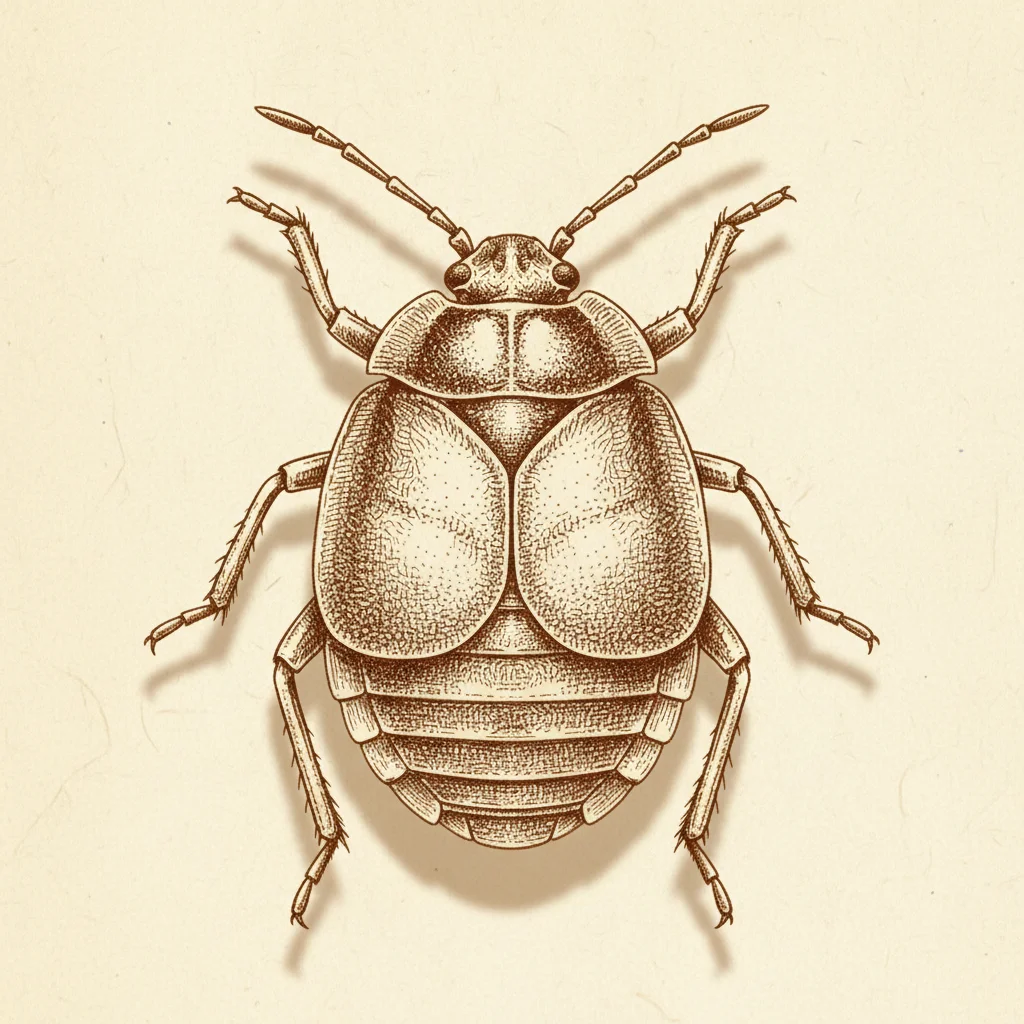
Ctenocephalides felis
Complete metamorphosis: egg → larva → pupa → adult. Eggs laid on host fall into carpets and bedding. Larvae feed on organic debris and 'flea dirt' (blood feces). Pupae can remain dormant for months, emerging when they detect vibration or CO2 from a host.
Obligate blood feeders. Adults must feed on blood to reproduce. They prefer cats and dogs but will readily bite humans, especially around ankles and lower legs. A single flea can bite hundreds of times per day.
Do not nest. Adults live on hosts while eggs, larvae, and pupae develop in the environment - primarily in carpets, pet bedding, upholstered furniture, and cracks in flooring. Larvae avoid light and burrow deep into carpet fibers.
Excessive scratching, biting at fur, and restlessness in pets are often the first signs. Check for fleas by parting fur, especially around the neck and tail base.
Small, dark, comma-shaped specks that turn red when wet (dried blood). Found on pets and in their resting areas.
Red, itchy bites typically around ankles and lower legs. Bites often appear in clusters or lines.
Adult fleas are visible jumping on pets, carpets, or furniture. Their jump is distinctive and rapid.
Walking through carpeted areas in white socks reveals dark fleas that have jumped on.
Found in all provinces wherever pets are kept. Populations peak in late summer and fall but persist year-round in heated homes. Cannot survive Canadian winters outdoors.
Peak activity August through October. However, fleas survive year-round indoors. Indoor heating allows continuous breeding cycles throughout winter.
Effective flea control requires treating both pets (veterinary products) and the environment. Professional treatment targets all life stages with residual products that continue working as pupae emerge. Multiple treatments may be needed since pupae are resistant to insecticides.
Get General Pest Control Service