Type to search pests or houses...
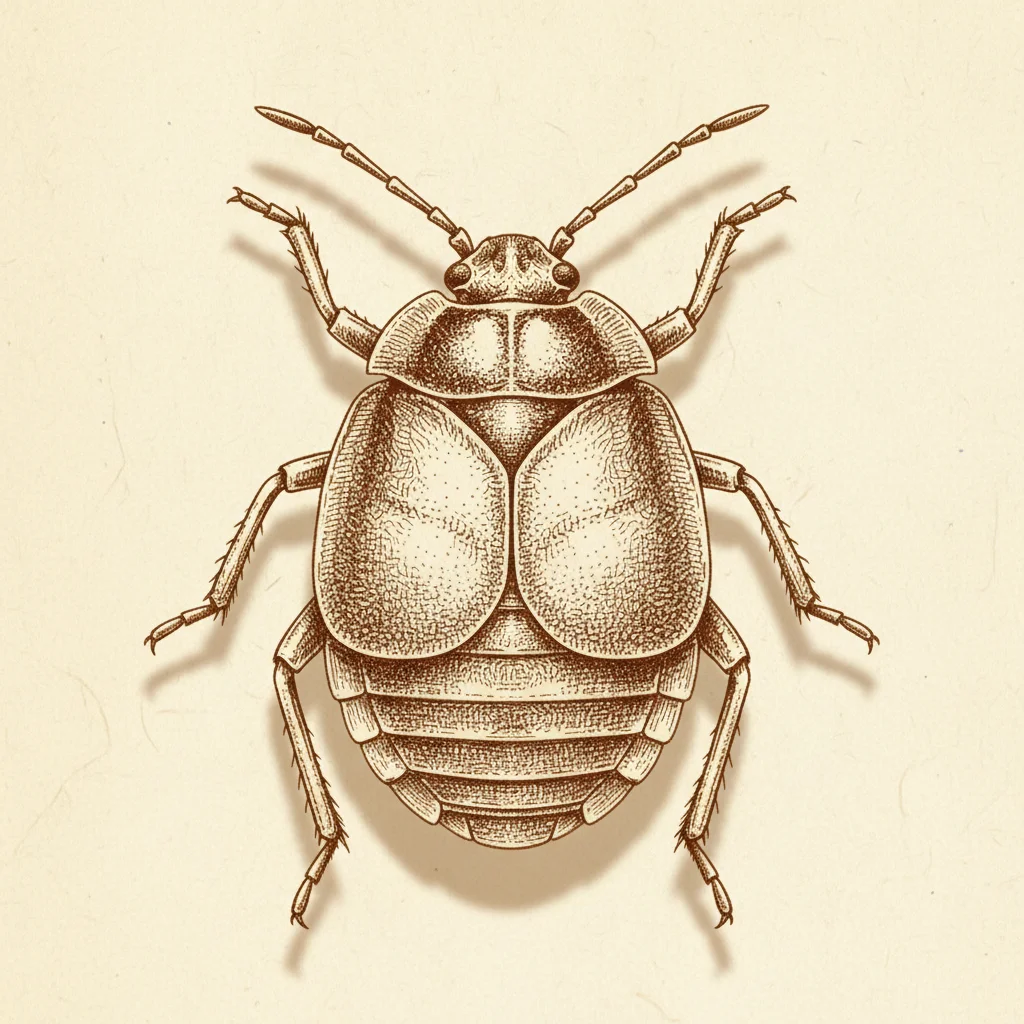
Ixodes scapularis
2-3 year lifecycle with four stages: egg → larva (6 legs) → nymph (8 legs) → adult (8 legs). Each stage requires a blood meal to progress. Larvae feed on mice/birds, nymphs on small mammals/humans, adults on deer/humans.
Obligate blood feeders at all life stages. They do not jump or fly but 'quest' by climbing vegetation and extending front legs to latch onto passing hosts. Can feed for several days, swelling dramatically.
Do not nest. Found in deciduous and mixed forests, tall grass, leaf litter, and woodland edges. Require high humidity to survive. Most active in spring (nymphs) and fall (adults) when temperatures are above 4°C.
Check thoroughly after spending time in wooded or grassy areas. Look in hair, behind ears, underarms, groin, and behind knees.
A circular red rash that expands from the bite site, often with central clearing. Appears in 70-80% of Lyme cases within 3-30 days.
Fever, fatigue, headache, and muscle aches within weeks of a tick bite may indicate Lyme disease. Seek medical attention.
A tick that is swollen and grey/blue has been feeding for an extended period. Save the tick for identification.
Established populations in southern Ontario, Quebec, Manitoba, Nova Scotia, and New Brunswick. Risk areas expanding northward annually due to climate change. Also found in parts of British Columbia (Western black-legged tick, I. pacificus).
Nymphs most active May-July (highest Lyme risk). Adults most active fall and early spring. Ticks are active whenever temperatures exceed 4°C, even in winter warm spells.
Yard treatments can reduce tick populations in residential properties. Perimeter sprays targeting tick habitat zones create barriers. However, personal protective measures remain essential as treatment cannot eliminate all ticks. Habitat modification recommendations are part of a comprehensive approach.
Get General Pest Control Service