Type to search pests or houses...
Cimex lectularius
Incomplete metamorphosis: egg → five nymphal stages → adult. Each nymphal stage requires a blood meal to molt. Development takes 5-8 weeks under optimal conditions (21-27°C). Adults can survive 6+ months without feeding, making eradication challenging.
Obligate blood feeders that feed exclusively on humans and warm-blooded animals. They are nocturnal, typically feeding between 1-5 AM when hosts are in deep sleep. Feeding takes 5-10 minutes, with insects injecting anticoagulant saliva that causes itching and allergic reactions in many people.
Do not build nests but form aggregations in dark, protected harborages close to hosts. Prefer mattress seams, box springs, headboard cracks, bed frame joints, and furniture crevices within 8 feet of sleeping areas. Heavy infestations spread to baseboards, electrical outlets, picture frames, and wall voids.
Small rust-colored or red stains on bedding from crushed bed bugs or blood droplets after feeding. Most visible on light-colored sheets.
Dark brown or black spots (digested blood) on mattress seams, box springs, and nearby furniture. These spots may bleed when wet, creating a halo effect.
Translucent, golden-brown molted skins from nymphs. Found in aggregation sites and along bed bug travel routes. Each nymph molts 5 times before reaching adulthood.
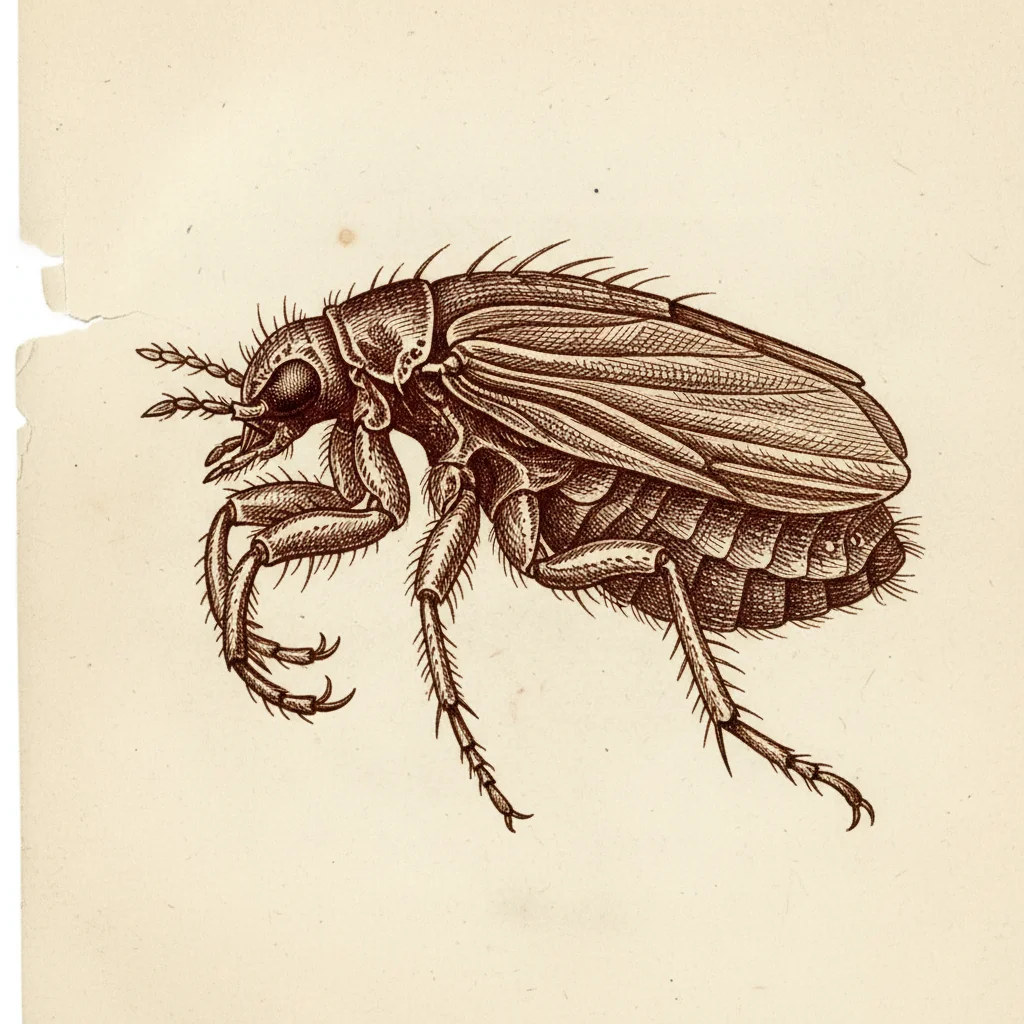
Adult bed bugs visible in mattress seams, headboard cracks, and furniture joints. They scatter quickly when exposed to light.
Sweet, musty, or coriander-like smell from bed bug scent glands. Detectable in heavy infestations.
Red, itchy welts often appearing in lines or clusters on exposed skin (arms, shoulders, neck, legs). Bites may take days to develop and vary by individual sensitivity.
Tiny (1mm) white or translucent eggs and empty egg shells stuck in cracks and crevices. Females lay 1-5 eggs daily.
Found in all provinces and territories, with severe infestations in major urban centers. Toronto consistently ranks #1 in North America for bed bug reports. Other heavily affected cities include Sudbury, Oshawa, Hamilton, Ottawa, Winnipeg, and Vancouver. Present year-round in heated buildings.
Active year-round indoors. Peak reports occur in summer months (June-August) when travel increases, facilitating spread through luggage and clothing. Indoor heating ensures continuous breeding throughout winter.
This pest is commonly found in these home types
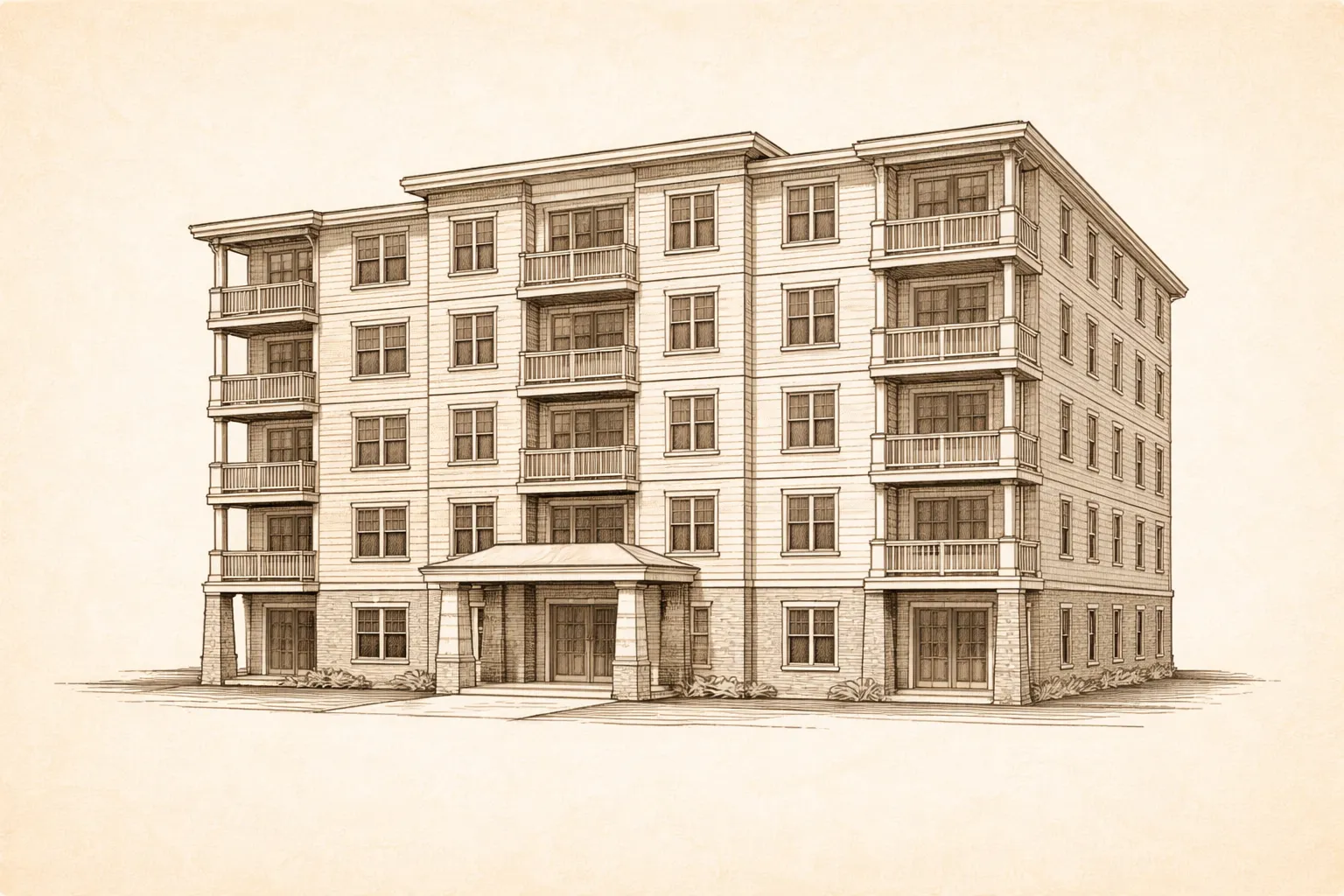
Multi-unit living can allow bed bugs to spread between units through wall voids and shared utility runs. Early reporting and a coordinated response matter.
View house details →
Shared walls can allow spread between attached units. Infestations often require coordinated treatment and follow-up.
View house details →
Any home can be affected through travel and used furniture. Multiple bedrooms can create more harbourages around beds and furniture.
View house details →IMPORTANT: Insight Pest Solutions does not provide bed bug treatment services. Bed bug infestations require specialized heat treatment, fumigation, or integrated pest management by licensed bed bug exterminators. Effective treatment involves multiple visits, preparation protocols, and follow-up inspections. DIY treatments are generally ineffective and can spread infestations. Contact a dedicated bed bug specialist in your area for professional assessment and treatment options including heat treatment (entire rooms heated to 50-60°C) or chemical treatments with residual insecticides.
Get General Pest Control Service