Insight Pest Solutions Canada Logo

Black-legged Tick

Ixodes scapularis

Size35 mm
Active Season:Nymphs most active May-July (highest Lyme risk). Adults most active fall and early spring. Ticks are active whenever temperatures exceed 4°C, even in winter warm spells.

Also known as the Deer Tick, this hard-bodied arachnid is the primary vector for Lyme disease in eastern and central Canada. Risk areas are expanding annually. Can transmit disease after feeding for 24-36 hours.

Anatomy

Anatomical Details

Identification

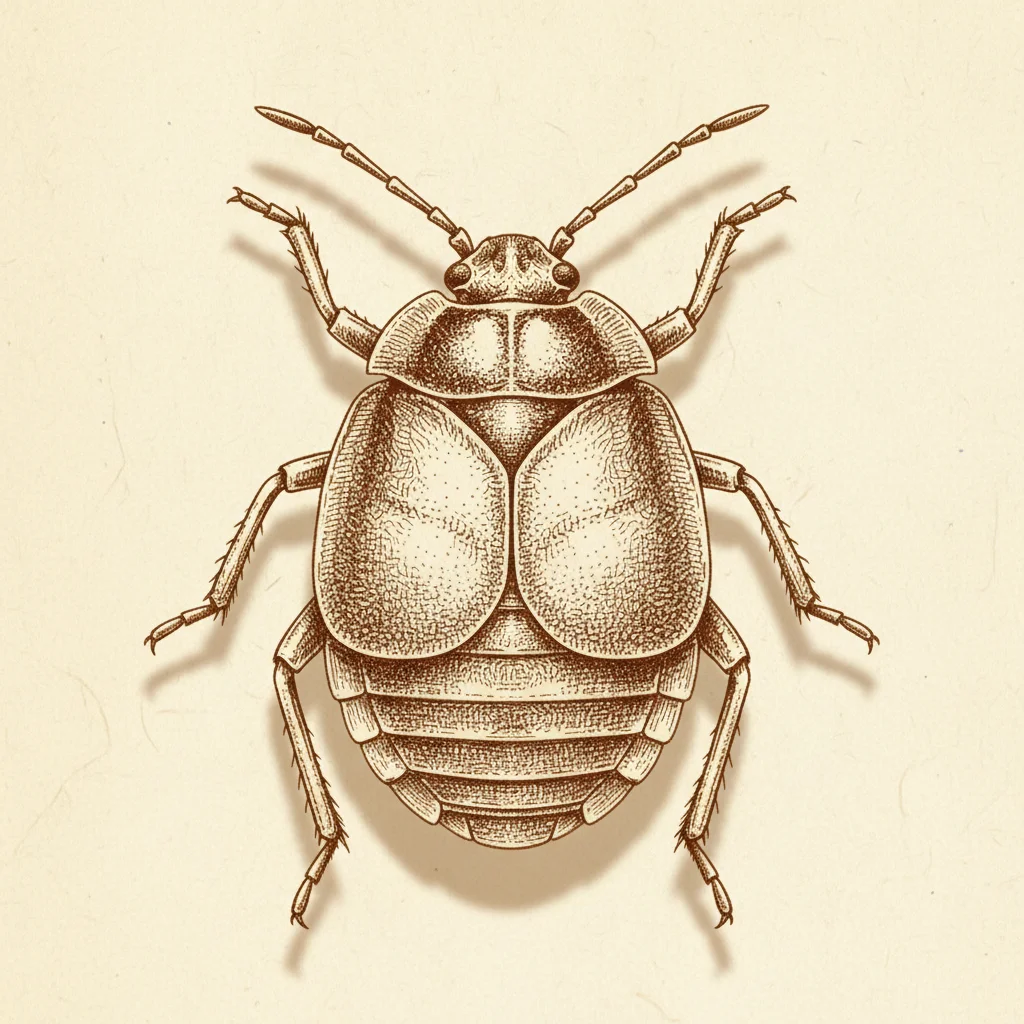
ColourFemales: reddish-orange rear body with dark black dorsal shield (scutum) near the head. Males smaller and entirely dark. Black legs distinguish from other species.
Size35 mm

Distinguishing Features

  • Black legs (key identifier vs. American Dog Tick)
  • Dark black dorsal shield (scutum) on upper back
  • NO white markings (unlike American Dog Tick)
  • Unfed female is about the size of a sesame seed
  • Nymphs are poppy seed-sized and responsible for most Lyme transmission

Similar Species

  • American Dog Tick is larger with white/grey mottling on the dorsal shield. Does not transmit Lyme disease.

Biology

Lifecycle

2-3 year lifecycle with four stages: egg → larva (6 legs) → nymph (8 legs) → adult (8 legs). Each stage requires a blood meal to progress. Larvae feed on mice/birds, nymphs on small mammals/humans, adults on deer/humans.

Diet

Obligate blood feeders at all life stages. They do not jump or fly but 'quest' by climbing vegetation and extending front legs to latch onto passing hosts. Can feed for several days, swelling dramatically.

Nesting

Do not nest. Found in deciduous and mixed forests, tall grass, leaf litter, and woodland edges. Require high humidity to survive. Most active in spring (nymphs) and fall (adults) when temperatures are above 4°C.

Signs of Infestation

Finding ticks on body or pets

Check thoroughly after spending time in wooded or grassy areas. Look in hair, behind ears, underarms, groin, and behind knees.

Bullseye rash (Erythema migrans)

A circular red rash that expands from the bite site, often with central clearing. Appears in 70-80% of Lyme cases within 3-30 days.

Flu-like symptoms after tick exposure

Fever, fatigue, headache, and muscle aches within weeks of a tick bite may indicate Lyme disease. Seek medical attention.

Engorged tick found attached

A tick that is swollen and grey/blue has been feeding for an extended period. Save the tick for identification.

Where They Nest

  • Deciduous and mixed forests
  • Tall grass and meadows
  • Woodland edges and trails
  • Leaf litter and ground cover
  • Areas with high deer populations

Common Nesting Sites

Nesting Site Details

Distribution in Canada

Established populations in southern Ontario, Quebec, Manitoba, Nova Scotia, and New Brunswick. Risk areas expanding northward annually due to climate change. Also found in parts of British Columbia (Western black-legged tick, I. pacificus).

Regional Prevalence

High
Moderate
Low
Rare/Absent

Active Season

Nymphs most active May-July (highest Lyme risk). Adults most active fall and early spring. Ticks are active whenever temperatures exceed 4°C, even in winter warm spells.

Prevention

  • Wear long pants tucked into socks and light-colored clothing when in tick habitat
  • Use EPA-registered repellents with DEET, picaridin, or IR3535
  • Treat clothing and gear with permethrin
  • Perform thorough tick checks within 2 hours of outdoor activity
  • Shower soon after coming indoors to find crawling ticks
  • Create tick-safe yards with gravel barriers and mowed grass
  • Remove leaf litter and clear brush around homes

Professional Treatment

Yard treatments can reduce tick populations in residential properties. Perimeter sprays targeting tick habitat zones create barriers. However, personal protective measures remain essential as treatment cannot eliminate all ticks. Habitat modification recommendations are part of a comprehensive approach.

Get General Pest Control Service

Scientific Classification
Kingdom
Animalia
Phylum
Arthropoda
Class
Arachnida
Order
Ixodida
Family
Ixodidae
Genus
Ixodes