Type to search pests or houses...
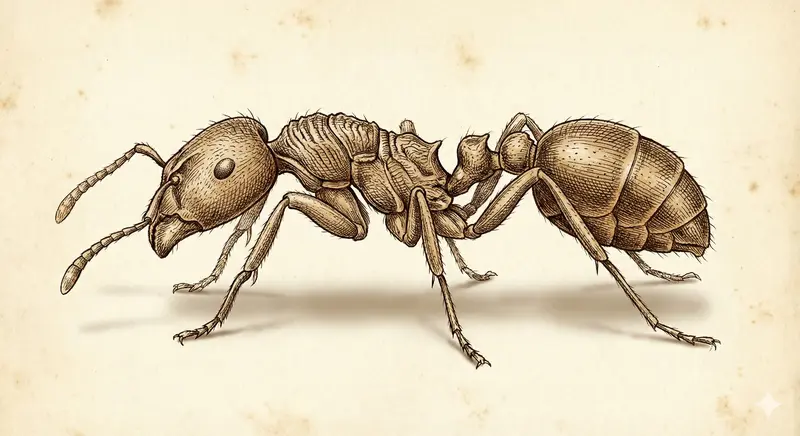
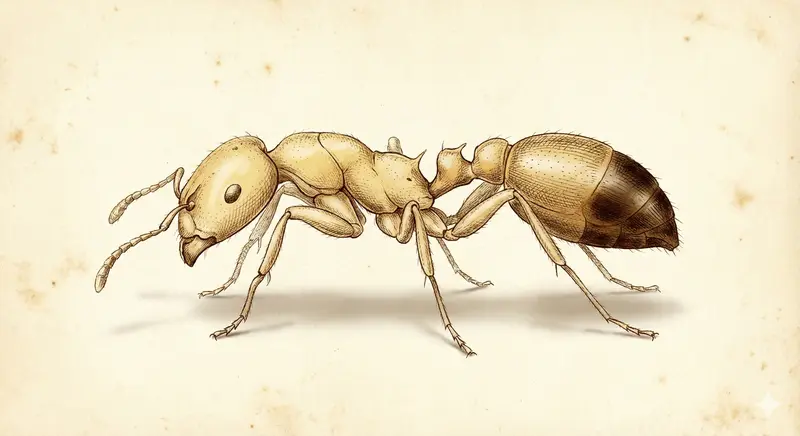
Camponotus spp. (C. pennsylvanicus, C. modoc)

Complete metamorphosis: egg → larva → pupa → adult. Colony maturation takes 3-6 years.
Proteins (insects, meat) and sugars (honeydew, plant nectar). Do NOT eat wood.
Excavate galleries in damp or decaying wood (do NOT eat wood). **Key Concept:** 90% of indoor infestations are 'satellite colonies' containing workers and older larvae/pupae. The 'parent colony' with the queen and eggs is usually outside in a tree stump or landscape tie up to 90m away.
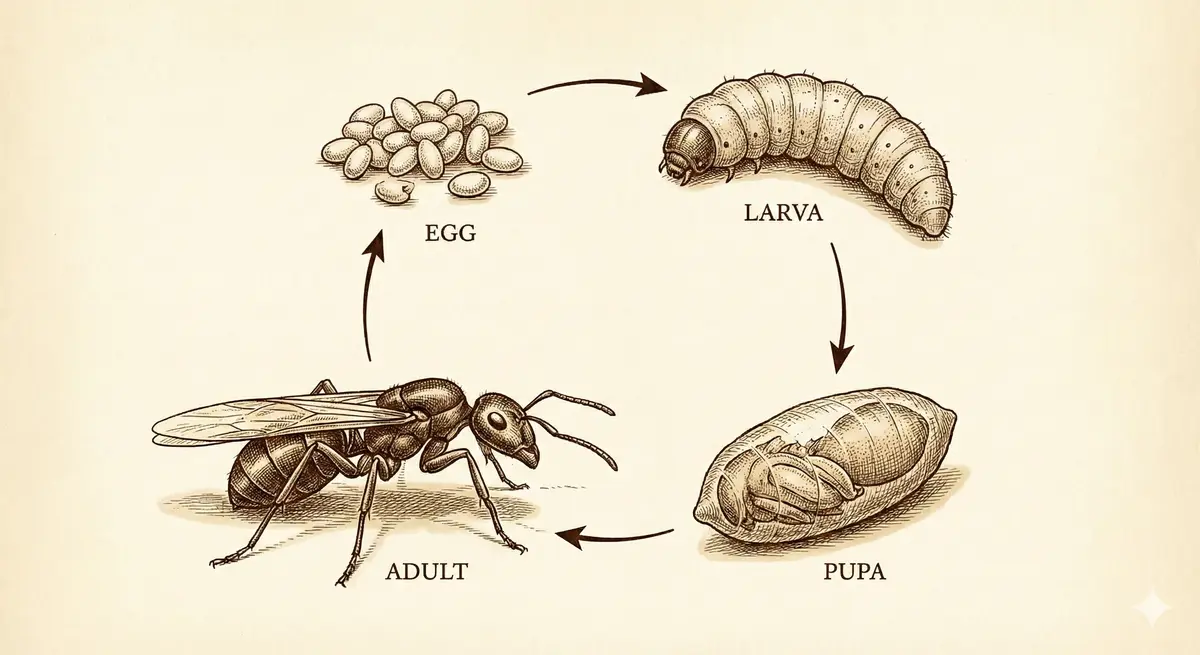
Complete metamorphosis takes 6-12 weeks depending on temperature.
Sawdust-like debris. Unlike termite droppings (which are uniform pellets), carpenter ant frass looks like pencil shavings and often contains distinct bits of dead insects.
Audible at night as workers excavate; sounds like crinkling cellophane
Swarmers emerging inside indicate established indoor colony
Tap structural wood with screwdriver handle; hollow sound suggests galleries
Found in all provinces. Highest pressure in British Columbia, Ontario, and Quebec.
Most active May through September. Swarmers emerge May-July.
This pest is commonly found in these home types

Single-story with soil-adjacent wood framing. Moisture accumulation at sill plates creates ideal nesting conditions.
View house details →
Accessible wood framing in humid crawlspace environment. Direct path from soil to structural wood.
View house details →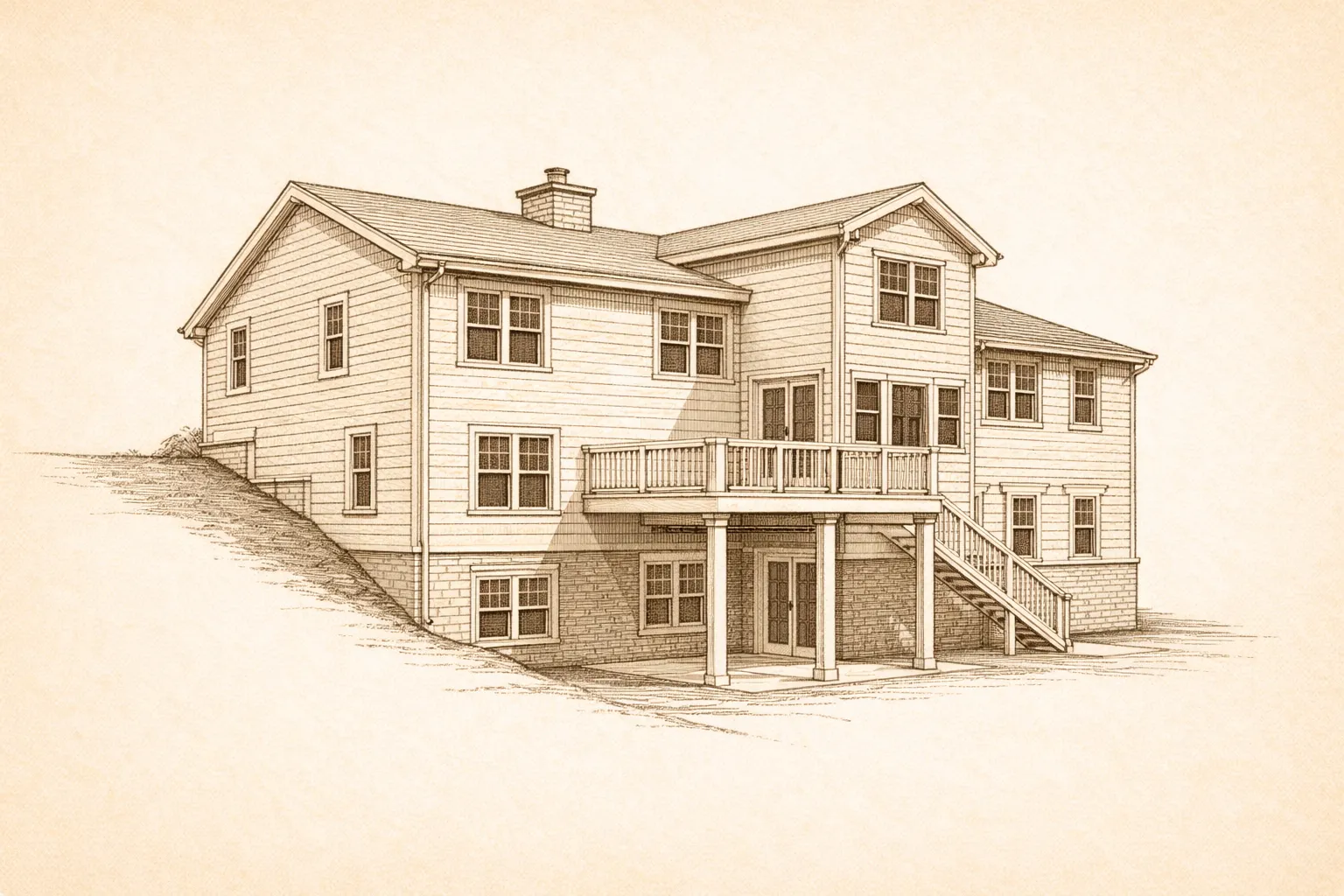
Earth-contact walls on one or more sides create moisture pathways and wood-soil proximity.
View house details →
More complex roof structure with potential moisture traps. Ice dams can damage wood at eaves.
View house details →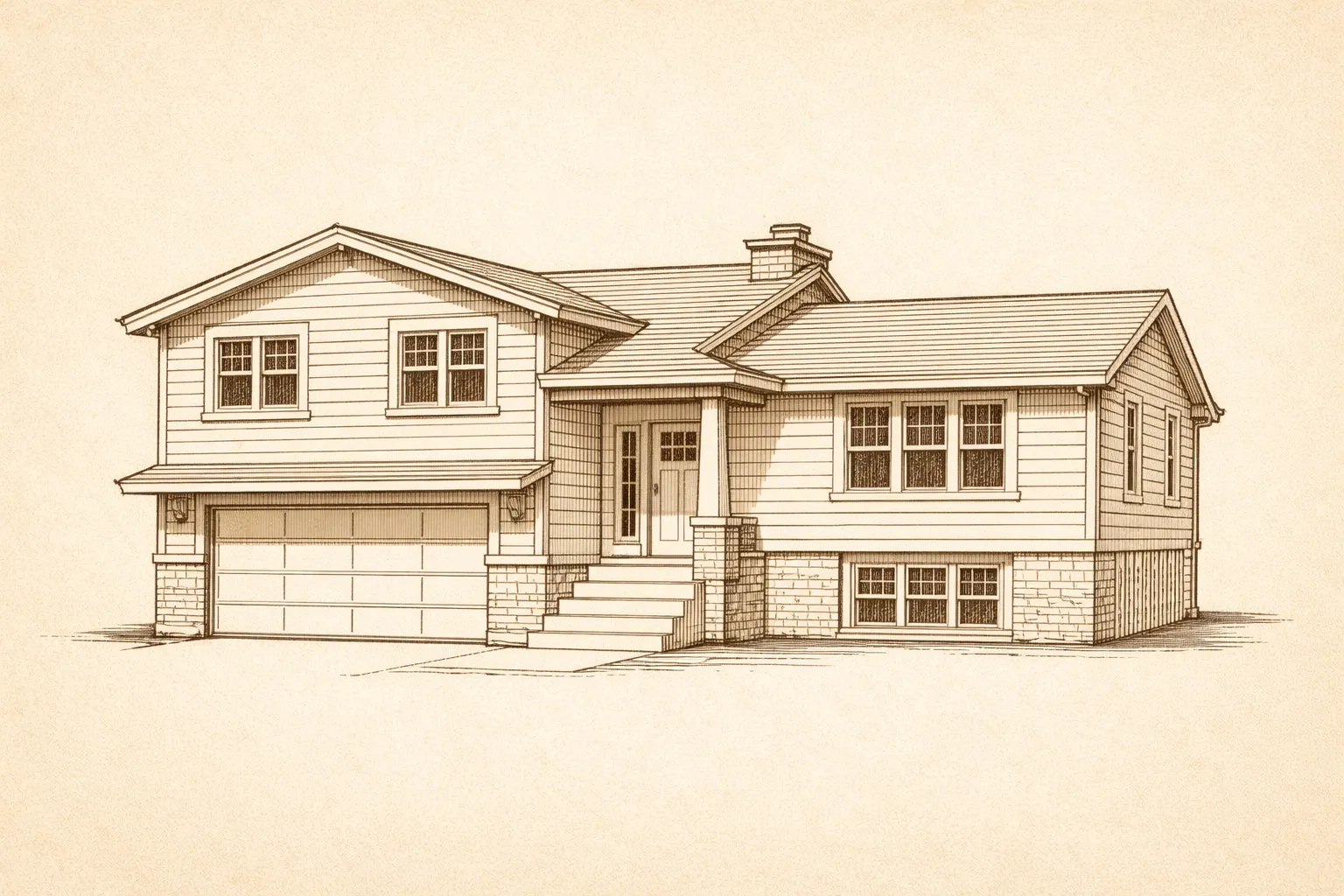
Multiple roof junctions and varied foundation levels create moisture vulnerability points.
View house details →Licensed technicians use targeted baits and residual treatments to eliminate parent and satellite colonies. DIY treatments rarely succeed because the queen is typically in the outdoor parent colony.
Get Ant Control Service
Sawdust-like frass pushed out of galleries