Type to search pests or houses...
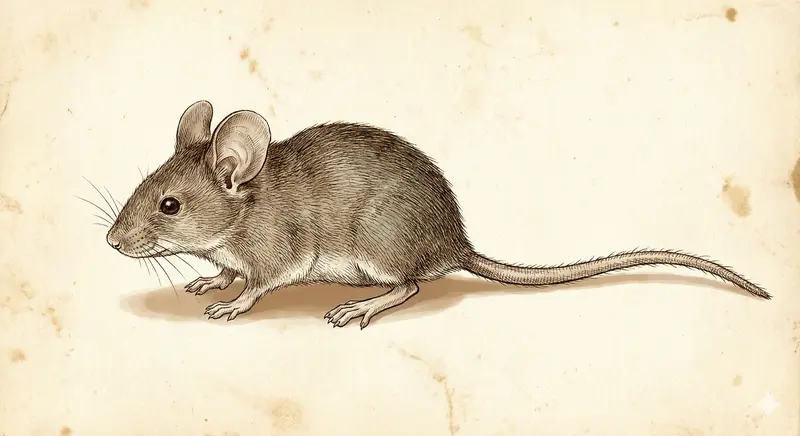
Rattus norvegicus
Reach sexual maturity at 3-4 months. Females produce 3-6 litters annually, each containing 8-10 pups. Lifespan typically 1-2 years. A single pair can theoretically produce thousands of descendants in a year under ideal conditions.
Omnivorous scavengers preferring meat, fish, and grains. Require about 30g of food and 60ml of water daily. Will eat almost anything including soap, leather, and other rats. Known to gnaw through lead pipes to access water.
Burrowing species that prefers to nest in the ground. Digs extensive burrow systems under concrete slabs, sheds, garbage piles, and foundations. Unlike Roof Rats, prefers ground level and basements. Nests are lined with shredded materials.
Capsule-shaped droppings about 20mm long with blunt ends. Fresh droppings are dark and moist; old ones are grey and dry. A single rat produces 40-50 droppings daily.
Teeth marks on wood, plastic, cables, and even pipes. Fresh gnaw marks are light-coloured; old ones darken over time. Can chew through concrete and lead.
Holes 7-10cm diameter under concrete slabs, sheds, compost bins, and along foundations. Look for fresh soil pushed out or worn entrances.
Dark, greasy smears along walls and runways where rats repeatedly travel. Their oily fur leaves residue on surfaces.
Scratching, squeaking, and gnawing sounds in walls, under floors, or in ceilings, especially at night.
In dusty areas, look for four-toed front prints and five-toed back prints with tail drag marks between.
Found in all provinces except Alberta, which maintains aggressive rat control and has been rat-free since 1950. Most common in urban centres, particularly Toronto, Montreal, and Vancouver.
Active year-round. Indoor invasion peaks in autumn as temperatures drop and food becomes scarce outdoors. Most active at night (nocturnal). Typically stay within 30-50m of their nest.
Rat control requires an integrated approach: inspection to identify entry points and harborage, exclusion work to seal access, sanitation recommendations, and strategic placement of tamper-resistant bait stations or traps. Rats are neophobic (fear new objects), making professional expertise essential for effective placement.
Get Rodent Control Service