Insight Pest Solutions Canada Logo

Pharaoh Ant

Monomorium pharaonis

Size1.52 mm
Colony Size1,000300,000
Active Season:Active year-round indoors. No outdoor swarming in Canada.

Tiny yellow-brown ants that nest exclusively indoors in Canada. A serious pest in hospitals, food facilities, and apartments.

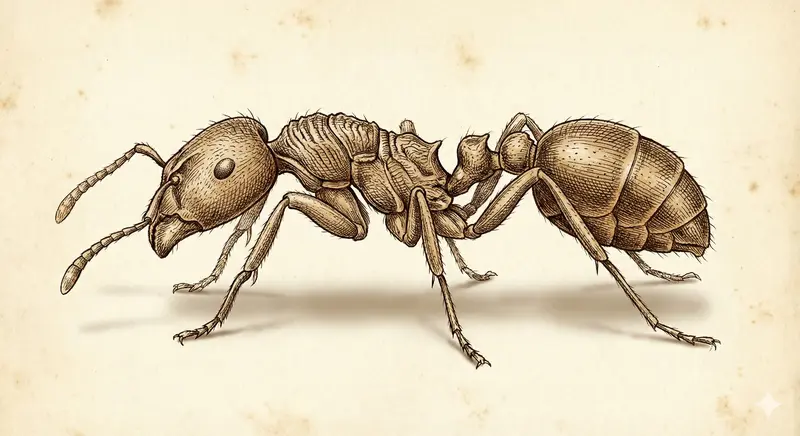
Anatomy

Anatomical Details

Identification

ColourVery small (1.5-2mm), pale yellow/orange body with a darker abdomen tip
Size1.52 mm

Distinguishing Features

  • Very small—among the tiniest household ants
  • Two nodes between thorax and abdomen
  • 12-segmented antennae with 3-segment club
  • No stinger capable of piercing skin

Similar Species

  • Pavement ants are larger (3-4mm) and darker brown.
  • Thief ants are similar size but paler yellow with smaller eyes.

Biology

Lifecycle

Egg to adult in 38-45 days at room temperature. Strictly relies on 'budding' (splitting the colony) rather than mating flights. A single colony can split into dozens if threatened—a major control challenge.

Diet

Prefer proteins and fats. Will feed on grease, sweets, dead insects, and even IV solutions in hospitals.

Nesting

Exclusively indoors in Canada. Nest in warm, humid voids near food and water: wall cavities, under floors, in equipment.

Signs of Infestation

Tiny ants trailing along edges

Follow walls, counters, and baseboards in thin lines. Most active at night.

Ants near moisture sources

Check under sinks, around toilets, near dishwashers and refrigerators.

Multiple trailing routes

Unlike other ants, pharaoh ants maintain several simultaneous trails.

Ants in unusual locations

Found in electrical outlets, behind wallpaper, inside appliances.

Where They Nest

  • Kitchen and bathroom wall voids
  • Behind baseboards and door frames
  • Inside electrical boxes and outlets
  • Under refrigerators and dishwashers
  • Heating system ductwork
  • Electrical outlets and junction boxes
  • IV lines and medical tubing (in healthcare settings)

Common Nesting Sites

Nesting Site Details

Distribution in Canada

Found in heated buildings nationwide. Cannot survive Canadian winters outdoors.

Regional Prevalence

High
Moderate
Low
Rare/Absent

Active Season

Active year-round indoors. No outdoor swarming in Canada.

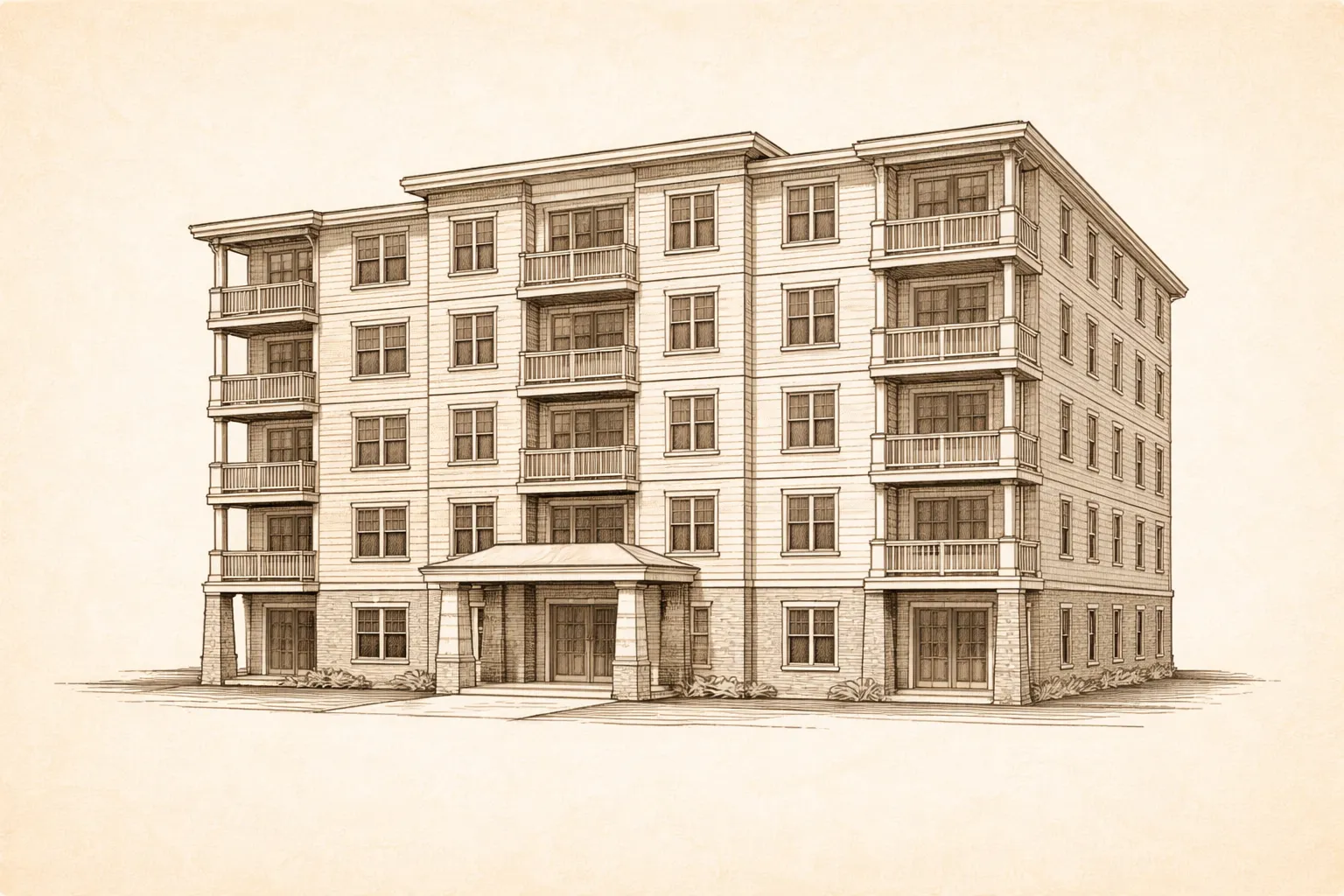
House Types at Risk

This pest is commonly found in these home types
Prevention

  • DO NOT USE SPRAYS (Raid, etc.). Spraying causes 'budding,' where the colony fractures and spreads to multiple new locations, making the infestation exponentially worse.
  • Seal all cracks and gaps in walls and around pipes
  • Eliminate food sources—clean up crumbs and spills immediately
  • Fix any moisture issues promptly
  • Inspect incoming shipments and supplies
  • In multi-unit buildings, coordinate treatment across units

Professional Treatment

Baiting is the ONLY effective method. Sprays cause colony budding, spreading the infestation. Professional baiting programs take 2-4 weeks but eliminate colonies completely.

Get Ant Control Service

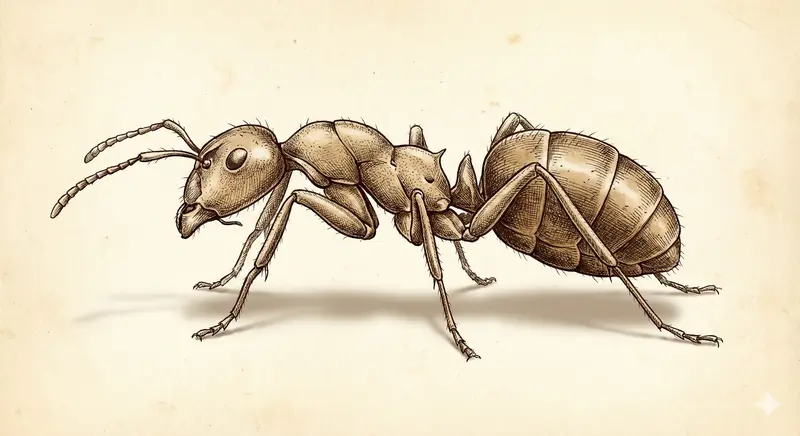
Scientific Classification
Kingdom
Animalia
Phylum
Arthropoda
Class
Insecta
Order
Hymenoptera
Family
Formicidae
Genus
Monomorium