Type to search pests or houses...
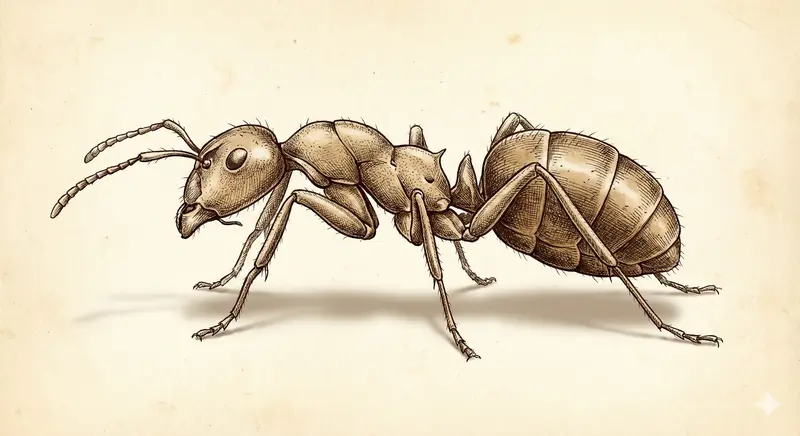
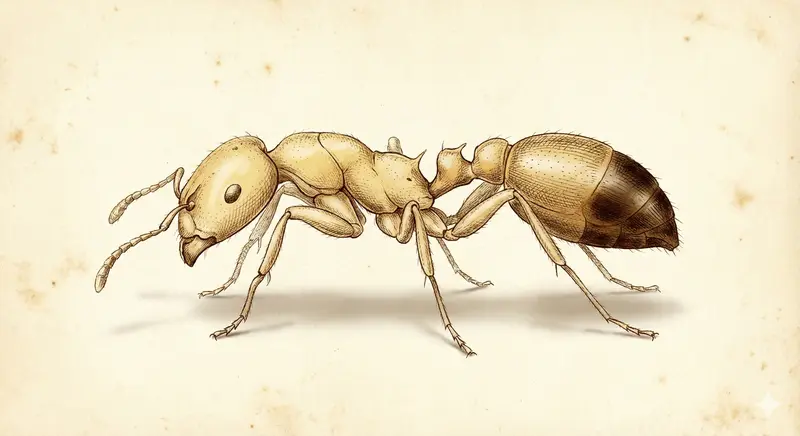
Tetramorium immigrans
Complete metamorphosis. Colonies mature in 3-5 years with 3,000-10,000 workers.
Omnivorous: grease, sweets, seeds, insects, honeydew. Will tend aphids.
Under pavement, stones, and foundations. Soil mounds at crack edges are diagnostic.
Distinctive small mounds of fine soil or sand pushed up through cracks in concrete, resembling mini volcanoes. The most reliable indicator of pavement ant activity.
Workers follow pheromone trails between nest and food, especially at night.
Pavement ants are strongly attracted to protein-rich pet foods.
Winged reproductives emerging inside suggest a nest under or against the foundation.
Found in all provinces. Most abundant in urban and suburban areas.
Active March through October. Swarmers emerge June-July.
This pest is commonly found in these home types

Large foundation footprint with extensive concrete-soil interface. Heated basement slabs attract colonies year-round.
View house details →
Lower level slab on grade provides direct nesting access. Cracks in concrete allow interior foraging.
View house details →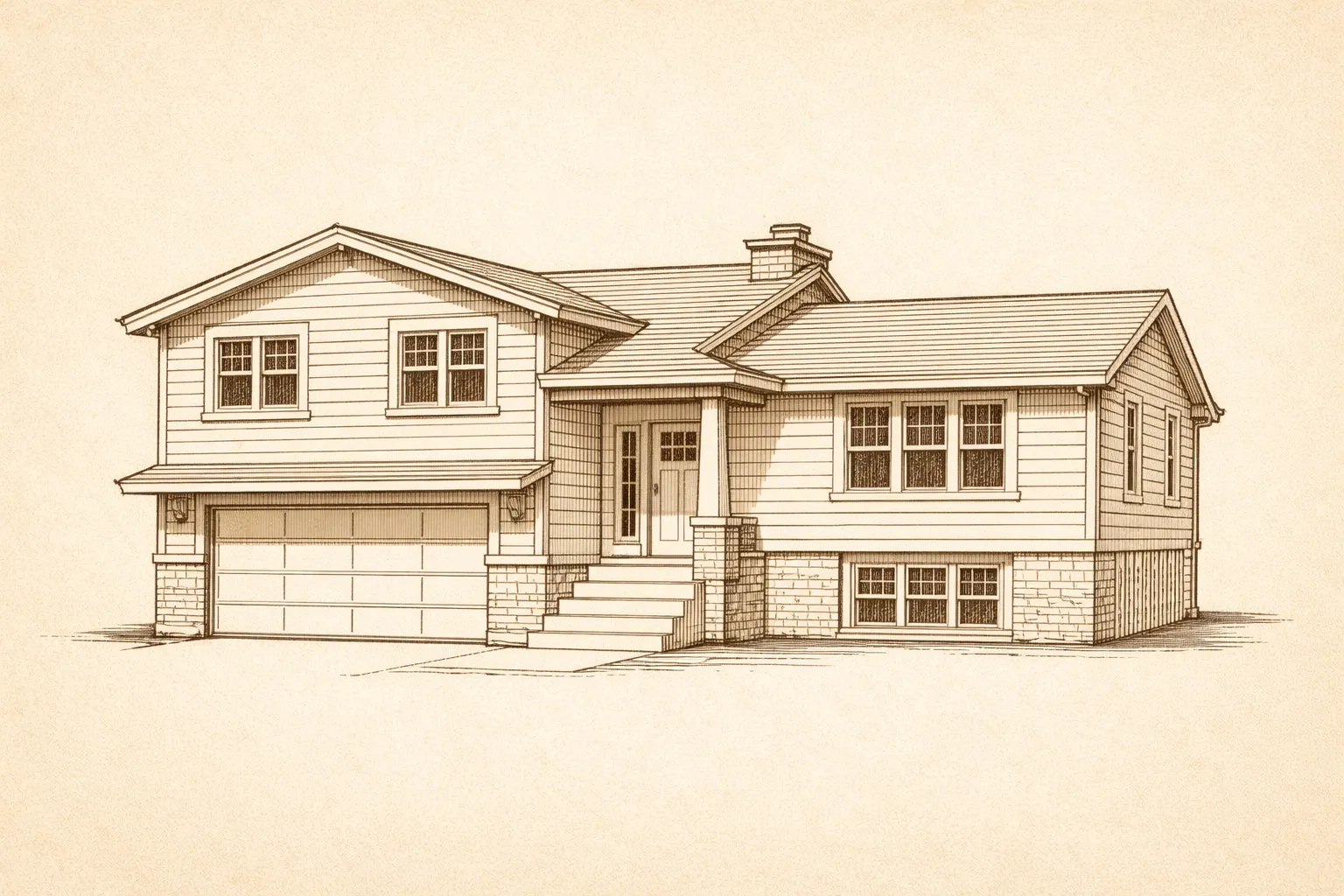
Multiple foundation levels with expansion joints between sections create entry points.
View house details →
Shared foundation walls and common driveways mean colonies can affect multiple units.
View house details →Exterior perimeter treatments and targeted baiting eliminate colonies at the source. Interior sprays alone are ineffective—the nest must be addressed.
Get Ant Control Service